
BrightnessControl: Understanding Screen Brightness Management in Modern Devices
Introduction
In today’s digital world, screens are a constant part of everyday life. From smartphones and laptops to televisions and tablets, people interact with digital displays throughout the day. One important feature that improves the user experience on these devices is BrightnessControl. Proper brightness management helps users see content clearly while also protecting their eyes and saving device power.
BrightnessControl plays a significant role in ensuring comfortable screen usage in different lighting environments.
What Is BrightnessControl
BrightnessControl refers to the ability to adjust the brightness level of a screen or digital display. It allows users to increase or decrease the intensity of light emitted by the screen depending on their environment and personal preference.
Most modern devices include built-in BrightnessControl features that allow users to manually adjust screen brightness. In addition, many devices also offer automatic brightness adjustment that changes the brightness level based on surrounding light conditions.
The main goal of BrightnessControl is to provide a balanced viewing experience that is comfortable for the eyes while maintaining clear visibility.
Importance of BrightnessControl in Digital Devices
BrightnessControl is an essential feature because it directly affects user comfort and device performance. If the screen brightness is too high, it can cause eye strain and discomfort during long periods of use. On the other hand, a screen that is too dim may make it difficult to read or view content.
By adjusting brightness properly, users can create a comfortable viewing experience that reduces eye fatigue and improves readability.
BrightnessControl also helps devices perform efficiently by managing energy consumption.
Manual BrightnessControl
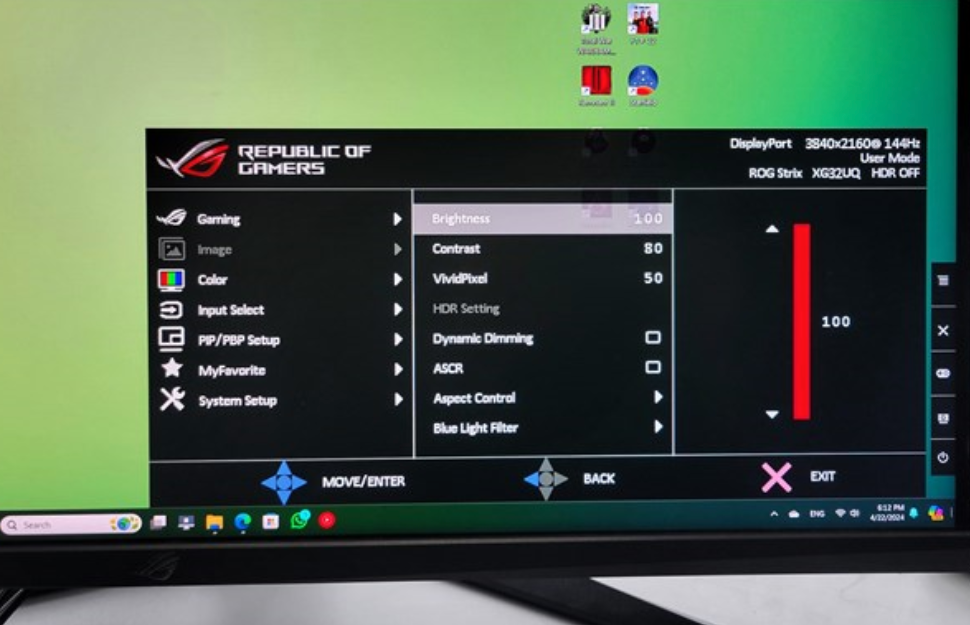
Manual BrightnessControl allows users to change the brightness level of their screen according to their needs. This feature is commonly found in smartphones, laptops, tablets, and desktop computers.
Users can typically adjust brightness through device settings, control panels, or quick-access menus. Manual control is especially useful when users want to customize brightness levels for specific tasks such as reading, watching videos, or working in bright environments.
Having manual control gives users complete flexibility to set brightness levels that feel comfortable for them.
Automatic BrightnessControl
Many modern devices include automatic BrightnessControl, which uses sensors to detect ambient lighting conditions. These sensors measure the light in the surrounding environment and adjust the screen brightness accordingly.
For example, when a user moves from a bright outdoor location to a darker indoor space, the device automatically lowers the screen brightness to prevent glare and reduce eye strain.
Automatic BrightnessControl improves convenience because users do not need to constantly adjust brightness settings themselves.
Benefits of Using BrightnessControl
Using BrightnessControl properly provides several important benefits. One of the most significant advantages is eye protection. Balanced brightness levels reduce the risk of eye strain and make screen viewing more comfortable.
Another benefit is improved battery life. Lower screen brightness consumes less power, which helps extend the battery life of portable devices such as smartphones and laptops.
BrightnessControl also enhances screen visibility by allowing users to adjust display levels based on different lighting conditions.
Additionally, proper brightness settings can improve the overall viewing experience for activities like watching videos, editing photos, or reading documents.
BrightnessControl in Different Devices
BrightnessControl is used in many types of electronic devices. Smartphones and tablets allow users to adjust brightness quickly through notification panels or settings menus.
Laptops and desktop computers provide brightness adjustment through keyboard shortcuts, system settings, or display control panels.
Televisions and monitors also include BrightnessControl options that allow viewers to optimize picture quality depending on room lighting.
Smart home devices and modern displays may even include advanced brightness technologies that adapt to changing environments automatically.
Tips for Optimizing BrightnessControl
To get the best experience from BrightnessControl, users should adjust brightness according to their surroundings. In bright environments, higher brightness levels help maintain visibility. In darker environments, lower brightness levels are more comfortable for the eyes.
Using automatic brightness settings can help maintain optimal screen levels without constant manual adjustments.
Users should also take regular breaks when using screens for long periods to reduce eye fatigue and maintain overall eye health.
Maintaining balanced brightness levels helps create a healthier and more comfortable digital experience.
Conclusion
BrightnessControl is an essential feature that improves the usability and comfort of modern digital devices. By allowing users to adjust screen brightness based on their environment, it helps reduce eye strain, improve visibility, and extend battery life.
Whether through manual adjustments or automatic settings, BrightnessControl ensures that screens remain comfortable to use in different lighting conditions. As digital devices continue to evolve, brightness management will remain an important part of delivering a better and healthier viewing experience for users around the world.