Smart TV Operating Systems

Smart TV operating systems shape core features, app ecosystems, and user interfaces. A data-driven, user-focused view clarifies performance, privacy controls, and update cadence. Roadmaps highlight interoperability and long-term value across devices. The choice affects cross-platform experiences and ongoing support. With varying app breadth and integration, viewers can optimize for current behavior while planning for future scalability. The key question remains: which platform aligns best with their viewing habits and devices?
What Is a Smart TV OS and Why It Matters
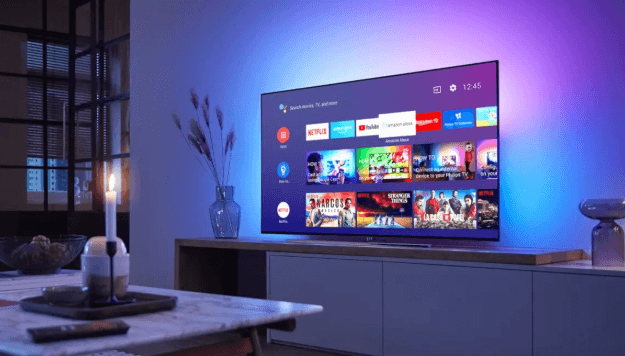
A Smart TV operating system (OS) is the software layer that powers a TV’s core features, app ecosystem, and user interface, enabling streaming, content search, and device integration. This perspective emphasizes a data-driven, user-focused roadmap: clarity on capabilities, performance, and privacy.
For Smart TV owners, OS choice shapes freedom in app access, interoperability, and ongoing updates, defining long-term value and control.
Operating Systems matter.
How to Compare Top Smart TV Platforms (Performance, App Ecosystem, Privacy)
When evaluating top Smart TV platforms, a structured, data-driven approach clarifies performance, ecosystem breadth, and privacy implications for users.
The assessment focuses on platform performance, app availability, integration quality, latency, and update cadence, while highlighting privacy considerations, data handling, and controls.
A transparent, roadmap-oriented framework enables informed choices aligned with user freedom and long-term digital autonomy.
Tailoring Your Choice to Viewing Habits and Devices
Tailoring a smart TV platform choice to viewing habits and devices requires a data-driven assessment of how each option aligns with typical content consumption patterns, screen sizes, and integration environments.
The analysis presents tailored recommendations, emphasizing device compatibility, ecosystem interoperability, and long-term scalability, enabling users to balance flexibility with performance, prioritize essential features, and chart a clear, user-centered roadmap for future viewing experiences.
Transition Tips: Migrating Apps, Accounts, and Settings Across Platforms
Migrating apps, accounts, and settings across platforms requires a structured, data-driven approach that aligns with users’ viewing patterns and device ecosystems. Transition tips emphasize preserving preferences and credentials while mapping compatible features.
The roadmap highlights prioritized migrations, cross-platform account linking, and verified app compatibility, enabling seamless platform migration.
Outcomes include faster setup, consistent personalization, and continued access to content and streaming services.
See also: brightnesscontrol
Frequently Asked Questions
How Secure Are Smart TV OSES Against Hacking?
Security testing improves resilience of smart TV OSes, but risks persist; a measured approach, including vulnerability disclosure, guides users toward safer choices. The roadmap emphasizes transparent updates, independent audits, and user-controlled privacy settings to foster freedom and trust.
Do Smart TV OSES Support Gaming Controllers Natively?
Yes, smart TV OSes generally support gaming controllers natively, enabling basic input for many titles and cloud gaming apps; however compatibility varies, guiding a roadmap toward broader controller ecosystems and consistent performance across devices.
Can I Sideload Apps on Different Platforms?
Sideloading apps on different platforms varies; generally, it’s possible in some ecosystems but restricted in others. The roadmap favors expanded cross platform compatibility, with data-driven guidance helping users evaluate risks, legality, and freedom while balancing security and compatibility.
How Often Do OS Updates Roll Out to Televisions?
Updates vary by manufacturer, but typically every 6–12 months, with occasional emergency patches. The cadence addresses outdated firmware and privacy concerns, guiding users toward a data-driven, freedom-focused roadmap, though rollout can be uneven and device-dependent.
What Is the Life Expectancy of a Smart TV OS?
The life expectancy of a smart TV OS averages 5–7 years, depending on hardware and updates; older systems experience slower security patches. Users value gradual, data-driven roadmaps, minimizing old fashioned interfaces while supporting legacy hardware for freedom.
Conclusion
Smart TV OSs shape how users search, stream, and personalize viewing, with performance, app breadth, and privacy controls driving long-term value. A data-driven comparison reveals trade-offs: faster interfaces and broader app ecosystems vs. tighter privacy features and smoother cross-device integration. For example, a family migrating from one platform to another might prioritize account continuity and app availability over newest features. A roadmap-focused approach helps users align platform choice with evolving viewing habits and future device plans.